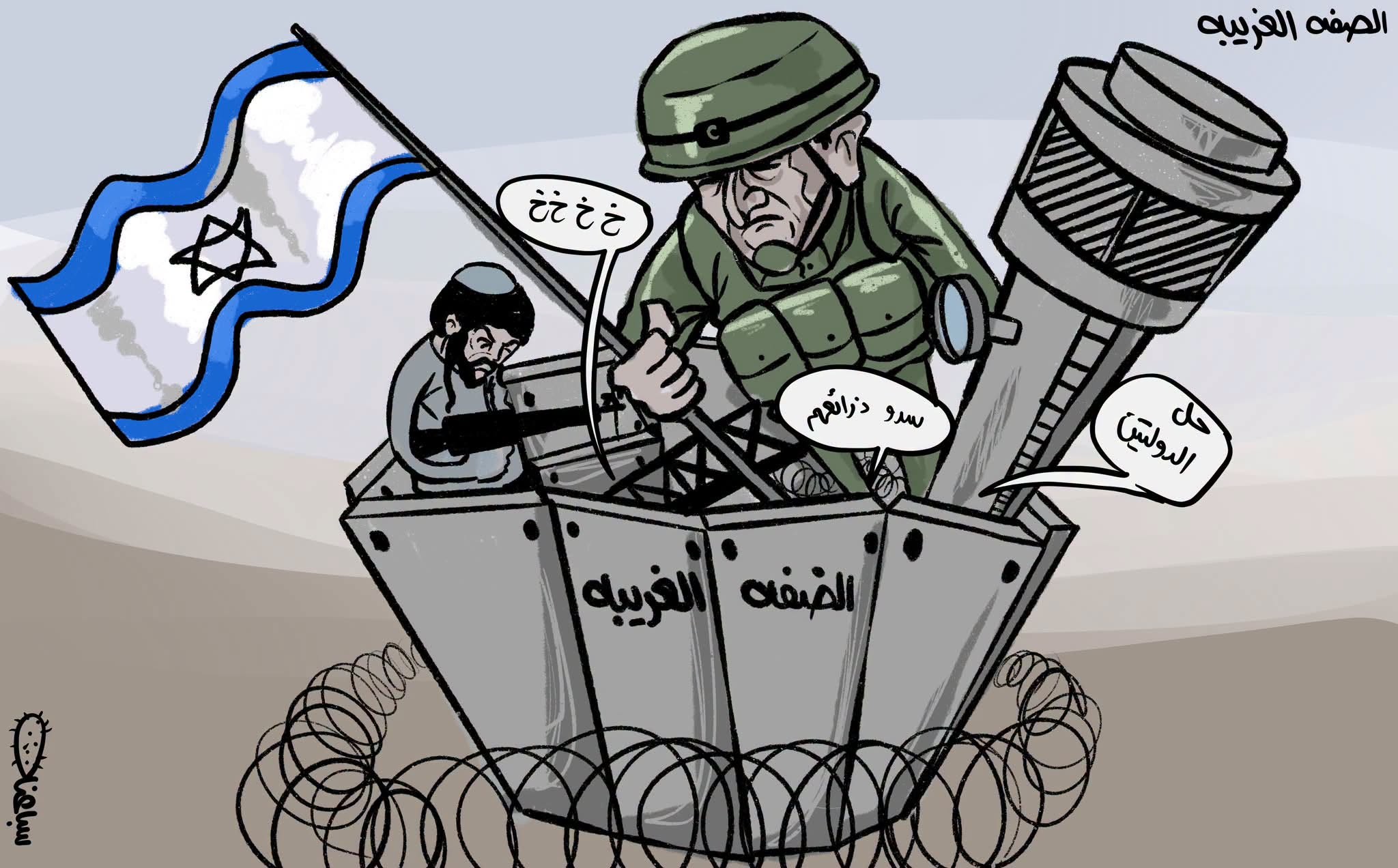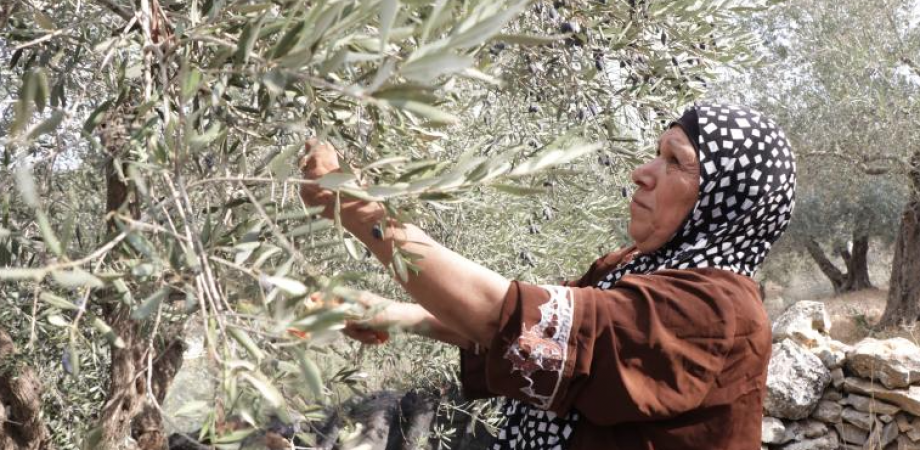
In the occupied West Bank, the annual olive-harvest season is being overshadowed by a relentless campaign of restrictions and violence, placing the livelihoods of Palestinian farmers at serious risk. Farmers report that access to their groves—many located near settlement-outposts or in areas under heavy military control—is being systematically blocked, with gates locked, roads fenced off and harvesters threatened.
In recent years, thousands of dunams of olive-planted land have gone unharvested—for example, in 2023 nearly 96,000 dunams were inaccessible due to movement restrictions imposed by the occupation authorities.
Meanwhile, settler attacks and coordinated destruction of trees have surged. In some villages, farmers say they can access only a tiny fraction of their groves, while rows of ancient olive trees lie cut or burned.
For the farmers, the olive tree is not just an economic asset but a symbol of heritage, resilience and rootedness in the land. As one grower put it: “We will harvest our olives; we are rooted in this land until death.”
Observers warn that this campaign of access denial, violence and land control is part of a broader strategy to undermine Palestinian rural life and displace communities from their ancestral lands.
In the midst of this mounting pressure, many farmers still mobilize solidarity networks, international volunteers, and local campaigns to help protect the harvest season—but the risks and obstacles have never been higher.