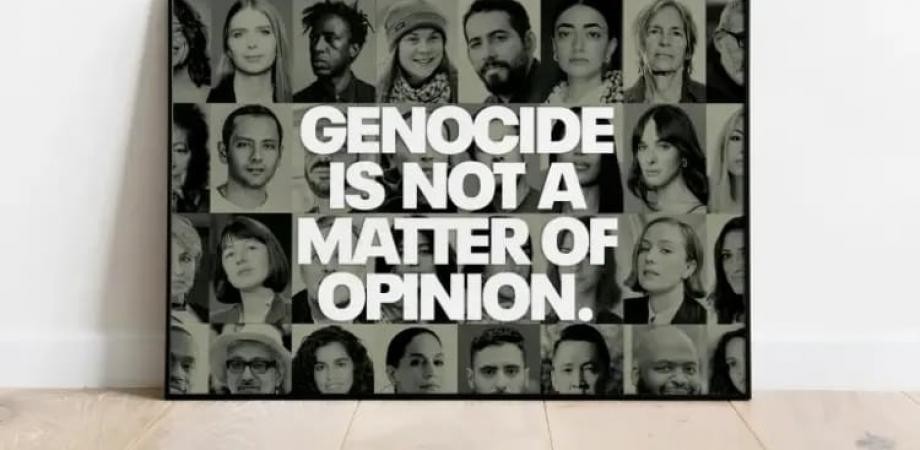
A broad coalition of authors, intellectuals and cultural figures has initiated a global boycott of The New York Times, accusing the newspaper of “legitimising” the ongoing war in Gaza through biased reporting and editorial manipulation. This group, calling itself Writers Against War on Gaza (WAWOG), is urging readers to cancel subscriptions, advertisers to withdraw funding, and writers to refuse to publish in the outlet as a protest against what they describe as the paper’s complicity in crimes against humanity.
In their public statement, the coalition criticised the Times for publishing and amplifying unverified or later-debunked claims — including allegations of sexual violence by resistance fighters on 7 October 2023 and controversial reporting about attacks on hospitals. They argue that such narratives help sanitise the killing of civilians and sustain global impunity for collective punishment.
The writers also contended that the newspaper’s leadership and many of its staff maintain personal and institutional ties with pro-Zionist lobbying groups — a factor they say contributes to a newsroom culture of selective empathy and distorted objectivity. They drew parallels between the Times’ recent coverage and its historical handling of the 1982 Sabra and Shatila massacre, suggesting that a pattern of favourable treatment toward Israel is repeating itself.
More than 500 public figures have joined the boycott campaign. These include congresswoman Rashida Tlaib, author Sally Rooney, academic Rashid Khalidi, whistle-blower Chelsea Manning, MEP Rima Hassan, Dr Gabor Maté and activist Greta Thunberg. For many involved, the boycott is part of a wider reckoning — a demand that journalism stop normalising genocide and begin siding with truth rather than power.
This landmark action shines a spotlight on the greater issue of media accountability in reporting on mass atrocities. Experts warn that unless major news organisations initiate real structural reforms — for example greater source diversity, stronger oversight of editorial bias, and meaningful representation of under-heard voices — global audiences will continue turning away from traditional outlets and toward alternative media platforms.
For the New York Times — once regarded as a staple of press prestige — this boycott raises serious questions not only about editorial integrity but also the broader role of Western media in shaping public understanding of war and human rights. The stakes are high: as the Gaza war escalates and humanitarian devastation deepens, the credibility of major media outlets will increasingly hinge on their ability to provide accurate, fair, and unbiased coverage.