In the southern Gaza enclave of Rafah, the truce declared on 10 October has entered a critical juncture. While the cease-fire was intended to bring relief, the situation on the ground tells a different story.
According to mediator proposals, armed Palestinian fighters were to hand over weapons and provide tunnel disclosures in exchange for safe passage out of the Israeli-controlled zone of Rafah.
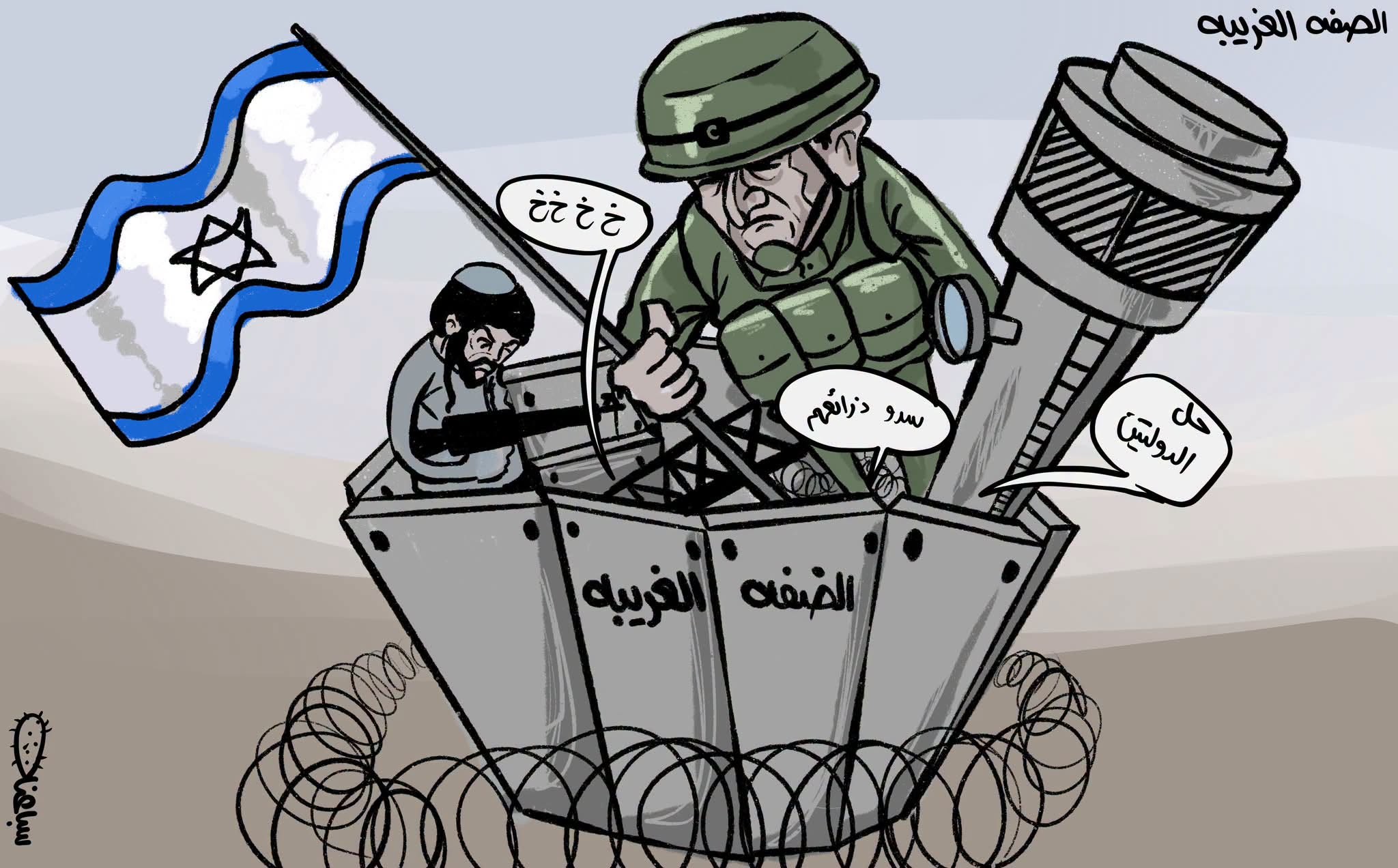
However, the Palestinian resistance’s armed wing and its political leadership have rejected these terms, asserting that they would amount to concessions that undermine their presence in Rafah and favour the occupier’s agenda.
Meanwhile, humanitarian conditions remain deeply precarious. The blockade of Rafah’s border crossings continues, aid delivery is hampered, and aerial strikes have been reported despite the declared truce.
These developments highlight how vulnerable the cease-fire agreement remains and raise concerns that it may serve as a cover for renewed operations rather than actual protection of civilians.
Local residents and international observers alike fear that the current stalemate could trigger a resurgence of hostilities. Many Palestinians perceive that the truce may simply be a temporary pause — not a structural change — and are sceptical of its durability unless monitoring mechanisms, humanitarian access, and full compliance are ensured.
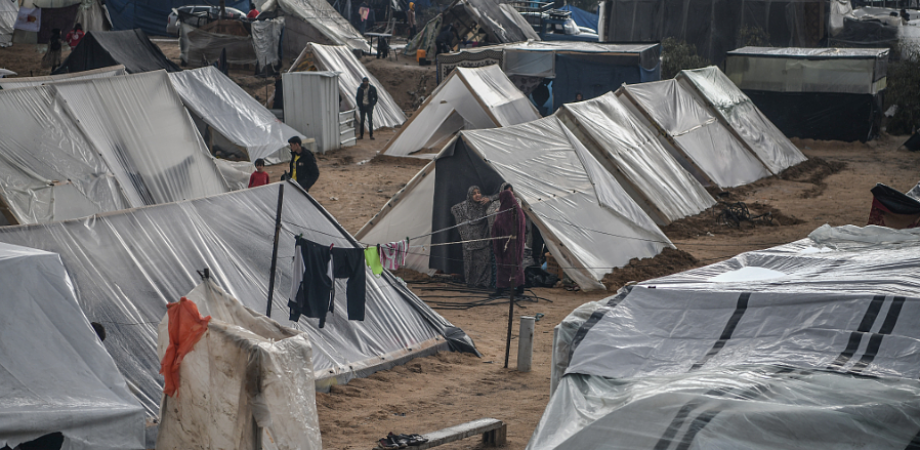
For Rafah — already bearing the brunt of the conflict with large numbers of displaced persons seeking shelter — this moment is pivotal. If the truce breaks down here, the consequences could ripple across the wider Gaza Strip: aid flows might stop, civilian casualties could rise, and the promise of a cease-fire could collapse. On the other hand, if the deal holds and concessions are properly negotiated, Rafah might serve as the blueprint for stabilising the fragile calm.
Ultimately, Rafah’s fate is a test not only of this particular cease-fire but of broader international efforts to mediate conflict in Gaza. The question now is whether the parties will seize the opportunity to transition from armed confrontation to humanitarian relief and reconstruction — or whether the fragile pause will crumble under the persistent pressures of siege, distrust and violence.